
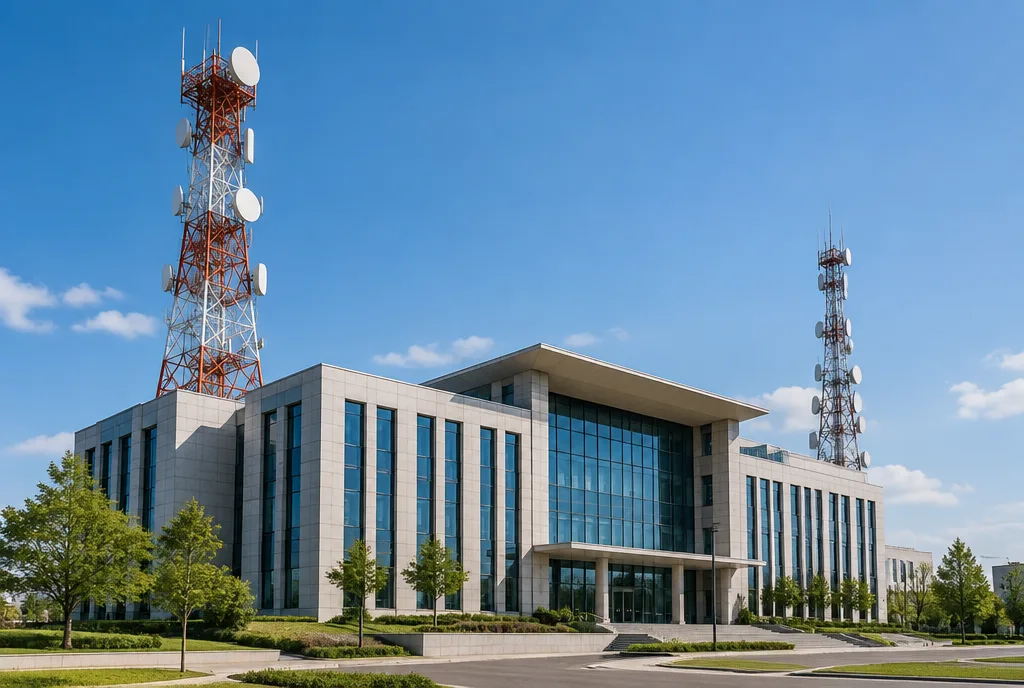
In 1978, the National Telecommunications and Information Administration was established by combining the Office of Telecommunications Policy of the Executive Office of the President and the Office of Telecommunications of the Department of Commerce. The newly established administration reports to the Secretary of Commerce. This administration is sometimes referred to as the United States Department of Commerce’s communication arms.
The National Telecommunications and Information Administration has several important tasks as outlined by the National Telecommunications and Information Administration Organization Act. These duties include advising the president on telecommunications and information service policies, supporting the growth of broadband connections and other communication in under served areas, and performing research and engineering.
Another task of the National Telecommunications and Information Administration is spectrum management. Most agencies on the federal level use radio frequency spectrum to perform most of their duties. The job of the National Telecommunications and Information Administration in spectrum management is to make sure the federal government has the gamut it needs to run business as usual all while making sure America’s domestic and international needs are met efficiently with the limited resource. The National Telecommunications and Information Administration accomplishes this with the help and advice of the Interdepartmental Radio Advisory Committee. Together, these committees assign radio frequencies, maintain spectrum use databases, as well as develop plans for the peacetime and wartime use of the spectrum along with many other plans.
The National Telecommunications and Information Administration has enacted a plan to make the internet safer and protect the privacy of the consumer. The Consumer Privacy Bill of Rights also called the “blueprint” can progress without the approval of the Congress. After the release of the Consumer Privacy Bill of Rights, the National Telecommunications and Information Administration opened a discussion board to consumers to find which internet privacy issues should be handled with the most priority as seen by consumers.
The National Telecommunications and Information Administration has various tasks to accomplish to ensure that information and communication is relayed to consumers in regard to safety as well as making sure our communication lines are well protected and safe.